



 Menu
Menu Back
Back


Land Clearing 101: Tools, Techniques, and Safety Tips
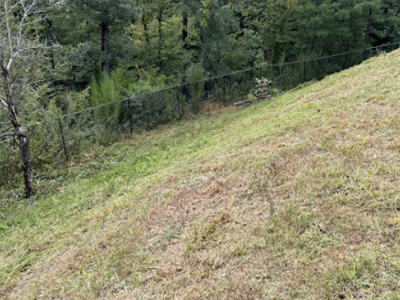 Land Clearing may also be necessary for residential purposes such as expanding a backyard or installing a new swimming pool. Commercial properties may need the land to be cleared to sculpt desired layouts and accessibility.
Carefully clearing land is an essential first step for many construction and landscaping projects. Follow this beginner's guide to land clearing to understand the process safely and efficiently from start to finish.
Assessing The Land Site
The first step is surveying the property to determine the scope of clearing needed. Walk the site and take note of:- Terrain, grading, and drainage patterns
- Types and density of existing vegetation
- Large trees, stumps, and rocks
- Existing structures to work around
- Utilities crossing the property
Basic Land Clearing Tools and Equipment
A variety of tools is used for cutting, uprooting, extracting, moving, and hauling vegetation and debris in land clearing. Primary tools include:- Chainsaws – Cut trees, stumps, and brush
- Woodchippers – Shred tree branches and vegetation
- Excavators/backhoes – Remove stumps and clear vegetation
- Bulldozers – Level ground and move large material
- Dump trucks – Transport debris for disposal
Clearing Techniques
The clearing techniques used depend on the property’s vegetation and terrain:- Dense tree cover – Trees are felled safely using directional cutting techniques. Stumps are removed with excavators.
- Light vegetation – Small plants, shrubs, and scrub can be uprooted using excavators or bulldozers equipped with shear blades to scrape vegetation.
- Hilly terrain – Bulldozers clear debris downhill using winch cables for control and steep slopes may require excavators.
- Wetlands – Excavators on wide-tracked undercarriages are used to protect wetland ecosystems.
- Rocky areas – Hydraulic hammers and rippers break up rock outcroppings. Excavators remove debris.
- Existing structures – Work carefully around structures using chainsaws, pruning saws, and hand tools.
Safety Best Practices
Land clearing involves serious hazards. Follow these tips for a safe work environment:- Use extreme caution with chainsaws and other cutting tools. Wear protective clothing.
- Establish a wide safety zone around operating equipment and debris piles.
- Communicate clearing boundaries to all workers by using signage if needed.
- Watch for underground utilities and mark lines before digging.
- Ensure adequate ventilation when operating chippers and grinders.
- Use equipment properly when lifting, winching, and hauling debris while avoiding rollovers.
- Avoid steep slopes and embankments and clear from top down when possible.
- Conduct site inspections for hazards like stump holes before leaving the site.
Hire Land Clearing Professionals
For large-scale projects or unique site conditions, hiring an experienced land-clearing company is wise. Their expertise in efficient clearing alongside environmental protection is invaluable.For information about our land clearing and other services, please call Four Seasons Lawn Care on 706-221-7602. Alternatively, write to us through this Online Form, and we will contact you to discuss your requirements and offer suitable solutions.